BLOOD PRESSURE

Blood pressure (BP) is the pressure of circulating blood on the walls of blood vessels.

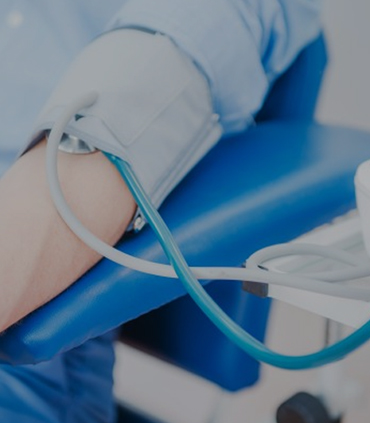
Blood pressure (BP) is the pressure of circulating blood on the walls of blood vessels. Used without further specification, “blood pressure” usually refers to the pressure in large arteries of the systemic circulation. Blood pressure is usually expressed in terms of the systolic pressure (maximum during one heart beat) over diastolic pressure (minimum in between two heart beats) and is measured in millimeters of mercury (mmHg), above the surrounding atmospheric pressure (considered to be zero for convenience). Blood pressure is one of the vital signs, along with respiratory rate, heart rate, oxygen saturation, and body temperature. Normal resting blood pressure in an adult is approximately 120 millimetres of mercury (16 kPa) systolic, and 80 millimetres of mercury (11 kPa) diastolic, abbreviated “120/80 mmHg”. Traditionally, blood pressure was measured non-invasively using a mercury-tube sphygmomanometer, which instrument is still generally considered to be the gold standard of accuracy. More recently other semi-automated methods have become common, largely due to concerns about potential mercury toxicity, although cost and ease of use have also influenced this trend. Early alternatives to mercury-tube sphygmomanometers were often inaccurate, but modern validated devices have similar accuracy to mercury devices. Blood pressure is influenced by cardiac output, total peripheral resistance and arterial stiffness and varies depending on situation, emotional state, activity, and relative health/disease states. In the short term, blood pressure is regulated by baroreceptors which act via the brain to influence nervous and endocrine systems. Blood pressure that is low is called hypotension, and pressure that is consistently high is hypertension. Both have many causes. and may be of sudden onset or of long duration. Long-term hypertension is a risk factor for many diseases, including heart disease, stroke and kidney failure. Long-term hypertension is more common than long-term hypotension, which often goes undetected because of infrequent monitoring and the absence of symptoms.

ANGINA PECTORIS

Angina, also known as angina pectoris, is chest pain or pressure, usually due to not enough blood flow to the heart muscle.

Angina, also known as angina pectoris, is chest pain or pressure, usually due to not enough blood flow to the heart muscle.

Angina is usually due to obstruction or spasm of the coronary arteries. Other causes include anemia, abnormal heart rhythms and heart failure. The main mechanism of coronary artery obstruction is an atherosclerosis. The term derives from the Latin angere (“to strangle”) and pectus (“chest”), and can therefore be translated as “a strangling feeling in the chest”.

There is a weak relationship between severity of pain and degree of oxygen deprivation in the heart muscle (i.e., there can be severe pain with little or no risk of a myocardial infarction (heart attack) and a heart attack can occur without pain). In some cases, angina can be quite severe, and in the early 20th century this was a known sign of impending death. However, given current medical therapies, the outlook has improved substantially. People with an average age of 62 years, who have moderate to severe degrees of angina (grading by classes II, III, and IV) have a 5-year survival rate of approximately 92%.

Worsening angina attacks, sudden-onset angina at rest, and angina lasting more than 15 minutes are symptoms of unstable angina (usually grouped with similar conditions as the acute coronary syndrome). As these may precede a heart attack, they require urgent medical attention and are, in general, treated in similar fashion to myocardial infarction.

HEART ATTACK

Heart attack occurs when blood flow decreases or stops to a part of the heart, causing damage to the heart muscle.

Heart attack occurs when blood flow decreases or stops to a part of the heart, causing damage to the heart muscle. The most common symptom is chest pain or discomfort which may travel into the shoulder, arm, back, neck, or jaw. Often it occurs in the center or left side of the chest and lasts for more than a few minutes. The discomfort may occasionally feel like heartburn. Other symptoms may include shortness of breath, nausea, feeling faint, a cold sweat, or feeling tired. About 30% of people have atypical symptoms. Women more often have atypical symptoms than men. Among those over 75 years old, about 5% have had an MI with little or no history of symptoms. An MI may cause heart failure, an irregular heartbeat, cardiogenic shock, or cardiac arrest.

Most MIs occur due to coronary artery disease. Risk factors include high blood pressure, smoking, diabetes, lack of exercise, obesity, high blood cholesterol, poor diet, and excessive alcohol intake, among others. The complete blockage of a coronary artery caused by a rupture of an atherosclerotic plaque is usually the underlying mechanism of an MI. MIs are less commonly caused by coronary artery spasms, which may be due to cocaine, significant emotional stress, and extreme cold, among others. A number of tests are useful to help with diagnosis, including electrocardiograms (ECGs), blood tests, and coronary angiography. An ECG, which is a recording of the heart’s electrical activity, may confirm an ST elevation MI (STEMI) if ST elevation is present. Commonly used blood tests include troponin and less often creatine kinase MB.

Treatment of an MI is time-critical. Aspirin is an appropriate immediate treatment for a suspected MI. Nitroglycerin or opioids may be used to help with chest pain; however, they do not improve overall outcomes. Supplemental oxygen is recommended in those with low oxygen levels or shortness of breath. In a STEMI, treatments attempt to restore blood flow to the heart, and include percutaneous coronary intervention (PCI), where the arteries are pushed open and may be stented, or thrombolysis, where the blockage is removed using medications. People who have a non-ST elevation myocardial infarction (NSTEMI) are often managed with the blood thinner heparin, with the additional use of PCI in those at high risk. In people with blockages of multiple coronary arteries and diabetes, coronary artery bypass surgery (CABG) may be recommended rather than angioplasty. After an MI, lifestyle modifications, along with long term treatment with aspirin, beta blockers, and statins, are typically recommended.

Worldwide, about 15.9 million myocardial infarctions occurred in 2015. More than 3 million people had an ST elevation MI and more than 4 million had an NSTEMI. STEMIs occur about twice as often in men as women. About one million people have an MI each year in the United States. In the developed world the risk of death in those who have had an STEMI is about 10%. Rates of MI for a given age have decreased globally between 1990 and 2010. In 2011, AMI was one of the top five most expensive conditions during inpatient hospitalizations in the US, with a cost of about $11.5 billion for 612,000 hospital stays.

Diabetes

Diabetes is a group of metabolic disorders in which there are high blood sugar levels over a prolonged period.

Diabetes is a group of metabolic disorders in which there are high blood sugar levels over a prolonged period. Symptoms of high blood sugar include frequent urination, increased thirst, and increased hunger. If left untreated, diabetes can cause many complications. Acute complications can include diabetic ketoacidosis, hyperosmolar hyperglycemic state, or death. Serious long-term complications include cardiovascular disease, stroke, chronic kidney disease, foot ulcers, and damage to the eyes.


Diabetes is due to either the pancreas not producing enough insulin or the cells of the body not responding properly to the insulin produced.


There are three main types of diabetes mellitus:


Type 1 DM results from the pancreas’s failure to produce enough insulin. This form was previously referred to as “insulin-dependent diabetes mellitus” (IDDM) or “juvenile diabetes”. The cause is unknown.

Type 2 DM begins with insulin resistance, a condition in which cells fail to respond to insulin properly. As the disease progresses a lack of insulin may also develop. This form was previously referred to as “non insulin-dependent diabetes mellitus” (NIDDM) or “adult-onset diabetes”. The most common cause is excessive body weight and insufficient exercise.

Gestational diabetes is the third main form, and occurs when pregnant women without a previous history of diabetes develop high blood sugar levels.

PACEMAKER ICD

In arrhythmia your heart beats too quickly, too slowly, or with an irregular pattern.

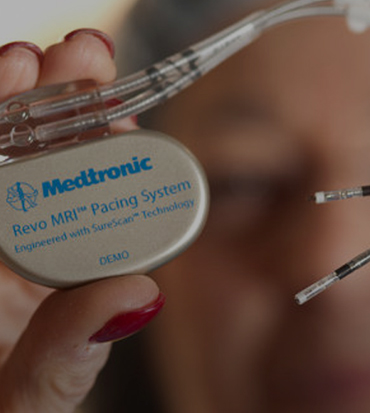
An arrhythmia is any disorder of your heart rate or rhythm. It means that your heart beats too quickly, too slowly, or with an irregular pattern. Most arrhythmias result from problems in the electrical system of the heart. If your arrhythmia is serious, you may need a cardiac pacemaker or an implantable cardioverter defibrillator (ICD). They are devices that are implanted in your chest or abdomen.

A pacemaker helps control abnormal heart rhythms. It uses electrical pulses to prompt the heart to beat at a normal rate. It can speed up a slow heart rhythm, control a fast heart rhythm, and coordinate the chambers of the heart.

An ICD monitors heart rhythms. If it senses dangerous rhythms, it delivers shocks. This treatment is called defibrillation. An ICD can help control life-threatening arrhythmias, especially those that can cause sudden cardiac arrest (SCA). Most new ICDs can act as both a pacemaker and a defibrillator. Many ICDs also record the heart’s electrical patterns when there is an abnormal heartbeat. This can help the doctor plan future treatment.

Getting a pacemaker or ICD requires minor surgery. You usually need to stay in the hospital for a day or two, so your doctor can make sure that the device is working well. You will probably be back to your normal activities within a few days.

ANGIOPLASTY STENTING

Angioplasty is a procedure during which a balloon-tipped catheter is used to open a narrowed or blocked blood vessel.

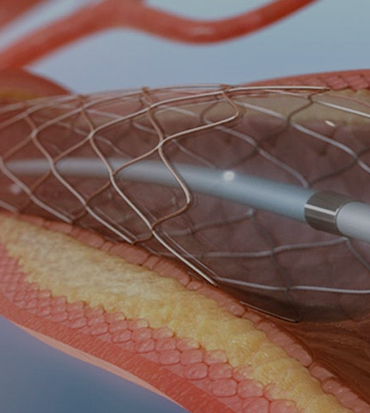
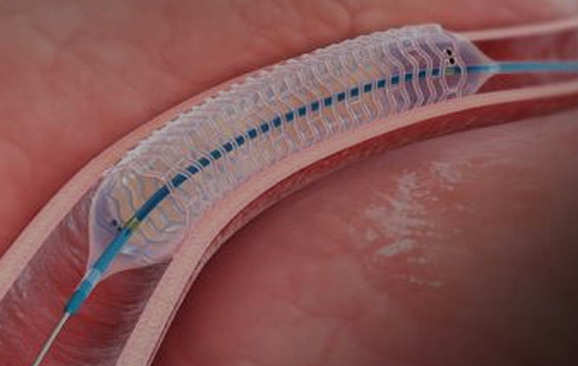
Angioplasty is a procedure during which a balloon-tipped catheter is used to open a narrowed or blocked blood vessel. Imaging guidance is used to position the catheter across the area of narrowing or blockage within the blood vessel and the balloon is inflated to open the narrowing and improve blood flow. It may be done with vascular stenting, which is the placement of a small wire mesh tube within the blood vessel to help keep it open. The procedure is much less invasive than other surgical interventions and usually does not require general anesthesia.

CORONARY STENTING

A coronary stent is a tube-shaped device placed in the coronary arteries that supply blood to the heart.

A coronary stent is a tube-shaped device placed in the coronary arteries that supply blood to the heart, to keep the arteries open in the treatment of coronary heart disease. It is used in a procedure called percutaneous coronary intervention (PCI). Stents reduce chest pain and have been shown to improve survivability in the event of an acute myocardial infarction.

Similar stents and procedures are used in non-coronary vessels (e.g., in the legs in peripheral artery disease).

CARDIOLOGY CONSULTATION

When your doctor requests that you have a cardiac consultation they are asking for the opinion of heart specialists.

When your doctor requests that you have a cardiac consultation they are asking for the opinion of heart specialists. All doctors have specific training that qualifies them for different areas of medical care, and when a physician refers to us they are requesting our advice regarding the diagnosis of a specific medical problem to do with your heart. We are experts in cardiac care and will be able to assess the problem and then create a medical management plan.

After the first consultation with us, a patient may be required to come on subsequent visits. This will be to initiate or continue management for their condition. One of our doctors may initiate diagnostic and therapeutic services from the initial or subsequent visits. We are leading cardiologists in Perth WA and will be able to best advise you on necessary medical treatment.

At Access Cardiology, we offer a comprehensive and progressive cardiac care service. The consultation will involve understanding your current health and medical history. We may also discuss the consideration of preventative issues such as diet and exercise, blood pressure control, and cholesterol management with the patient.

Several options may be explored during the consultation, including any previously identified cardiovascular concerns. We will also consider further cardiac testing or any other procedure that is required and then discuss this with the patient. All of our physicians at Access Cardiology are experts in what they do, and we are proud to be one of the leading WA cardiology health practices.

What are the requirements to undertake a consultation?

In order to gain a cardiac consultation, there are three key components:

The Referral
Usually, we must receive a request from an appropriate source, which means a referral from a doctor. When this request is made, specific information about the patient should be included. It is extremely important that our cardiologists receive all of the patients’ medical history. The referral should also include other information, such as the reason the referral has been made to us, and any recent diagnostic procedures that have been undertaken. Knowing these factors is crucial for our doctors to be able to make the right decisions about a patients’ health. Heart care is of the utmost importance to us, and we need to make the best decision about diagnosis, treatment and prognosis.

The Medical Examination
Here is where our Perth cardiologists will excel. Our doctors will consider the medical history of the patient, undertake tests and examination, and then make an appropriate decision. This will all be required to support the level of service for a consultation.

The Report
This is when our cardiologist prepares a written report of his/her findings. Alongside the diagnosis, our doctor will also include their recommendations for treatment, and any therapeutic interventions that have been planned or have already begun regarding heart care. The report will then be provided back to the referring physician.

Types of Consultations

As leading cardiologists in Perth, WA, we are able to provide support for urgent, same day cardiac consultations and same day on-site non-invasive cardiac testing, seven days a week. Otherwise, we are regularly available for scheduled appointments. All of our cardiologists are highly-trained specialists that cover a range of cardiovascular subspecialties. We are able to assist referring physicians and patients in prevention, early diagnosis and treatment of heart disease or other conditions.

Below are some of the key services we offer, and how they work:

ECHOCARDIOGRAM
Sometimes known just as an ‘echo’, this is an ultrasound assessment of the heart. An echocardiogram can evaluate the structures of the heart using a series of images and videos provided by ultrasound equipment.

Our technicians will place a special probe on various parts of the chest wall that means we are able to view the heart from different directions and be able to make a detailed assessment of the heart valves, heart muscle and blood flow.

This test usually takes 30 minutes, and on the day of the test, patients will not be allowed to consume alcohol or caffeine at least 3 hours before. We also ask patients that they do not smoke before the examination.

Patients will be required to expose their chest so need to undress to the waist (women will be given a gown to). Then, our technicians will place electrodes onto the chest and an ultrasound of the heart is performed.

When the test is finished we will provide a full written report to the patients’ referring doctor. This will be sent after the results have been fully reviewed by one of our cardiologists, which usually means after 3 – 4 working days.

EXERCISE STRESS ECHOCARDIOGRAM
This kind of ‘echo’ is for testing the performance and capacity of the heart and blood vessels in response to increasing exercise. This test consists of walking on a treadmill, which gets gradually more difficult after time. The heartbeat is measured as the speed and gradient of the treadmill are increased at 3-minute intervals.

An ‘echo’ reading will be taken immediately before and after the exercise to see the difference and to understand how the heart responds to additional stress. One of our trained technicians will place a special probe on various parts of the patients’ chest and use ultrasound to create an image of the heart for us to assess.

We ask that patients bring their current medications on the day of the test so that we can understand their current medical condition. Since the patient will be exercising, we also ask that they wear comfortable footwear and loose clothing. We also ask that our patients remove their jewellery during the exercise period.

The exercise will only stop when the patient has reached a level of exhaustion. The patients’ blood pressure, pulse rate and echocardiogram will be monitored continuously. The doctor will ensure to stop the test immediately if the patient shows signs of feeling unwell, breathlessness, chest pain, or any other reasons that concern the cardiologist.

These are just two of the key procedures we offer. Other common procedures include electrocardiograms and ECG exercise stress tests, which are similar to the echocardiogram tests we provide. We also provide Holter monitoring, event monitoring, and ambulatory blood pressure monitoring. So if you have any concerns about your cardiovascular health, please give us a call on (08) 9389 8658 and we’d be glad to discuss any of our procedures.